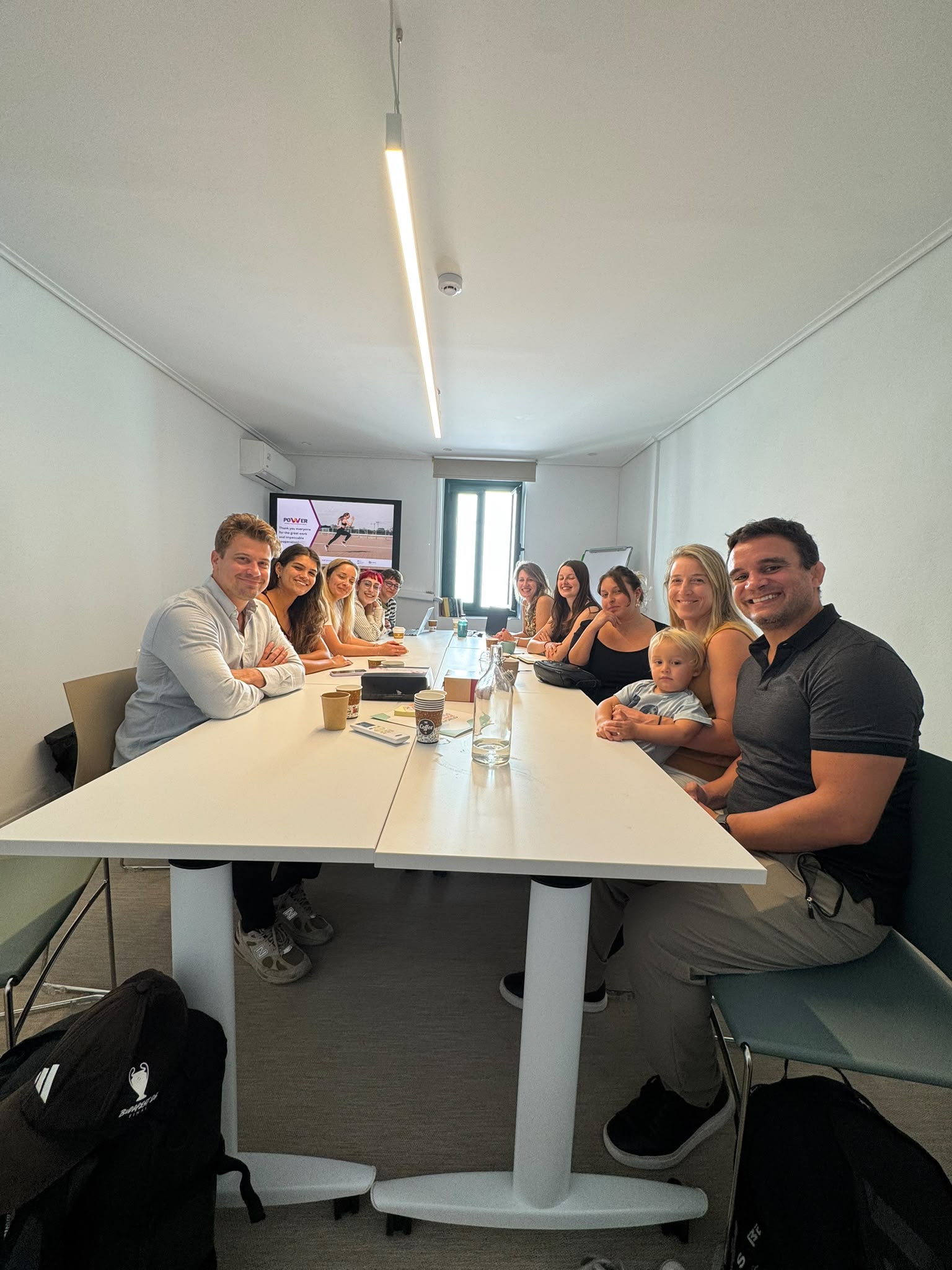
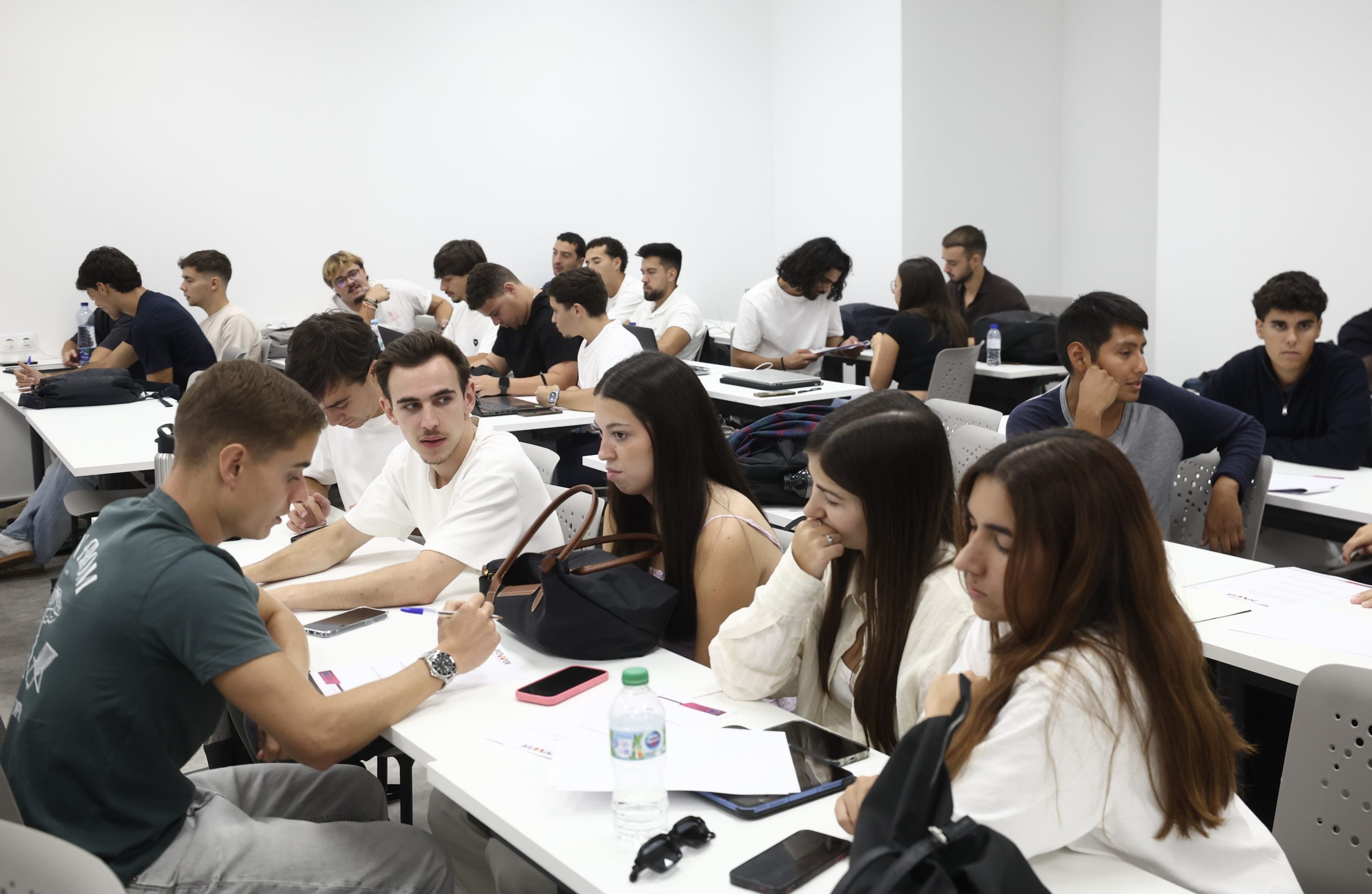
Over the summer and early September, several POWER partners conducted their national trainings based on the materials that had developed earlier this year by the consortium.
The Union of Catalan Sports Federations (UFEC) was the first POWER partner to deliver their national training, in mid-July. 45 participants gathered in UCEF’s headquarters in Barcelona to learn and exchange about women’s portrayal in sports media.
Alla Krinitsyna, senior project manager at UFEC reflects on the training, saying, “The training showed us that change is possible and that it starts with the people who hold the microphone. Seeing journalists and communicators leave the session with concrete tools and a new perspective on how they cover female sport is exactly the impact the POWER project was designed to create.
“What struck us most was not just what participants learned, but how they engaged. The conversations, the questions, the moments of recognition, ‘I never thought about it that way’, told us that this training touched something real. That is the kind of impact that lasts beyond a training day”, she added.

Our Italian partner, ISIDEM delivered their in-person training in the second week of September as part of the FLAG Festival.
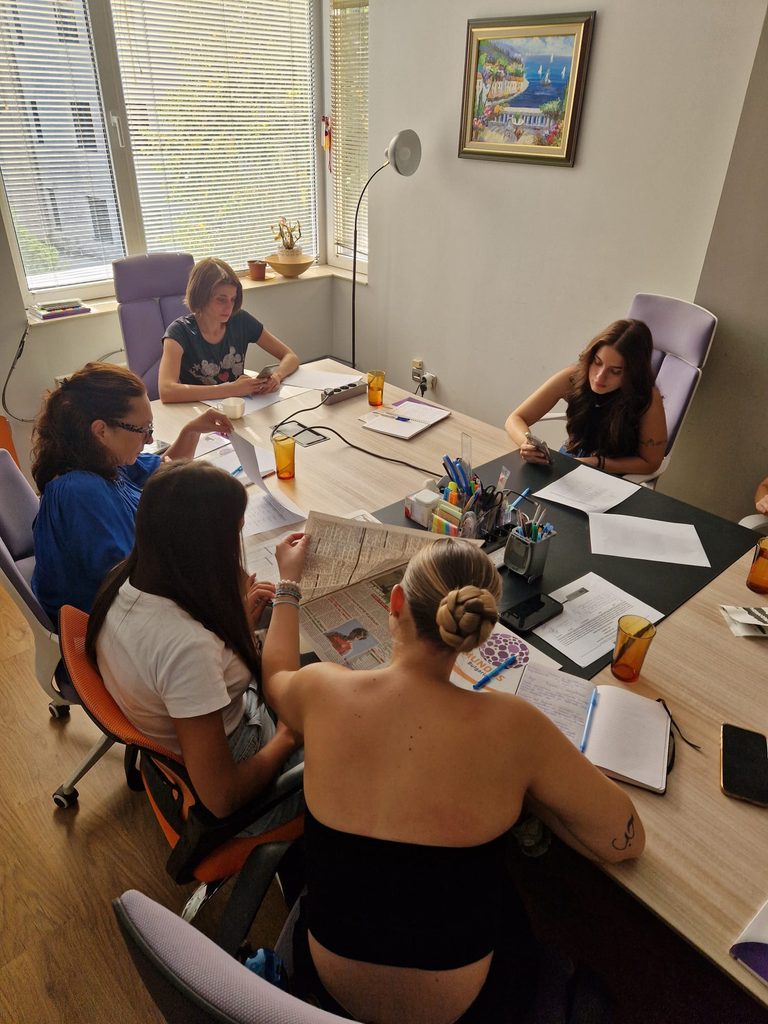
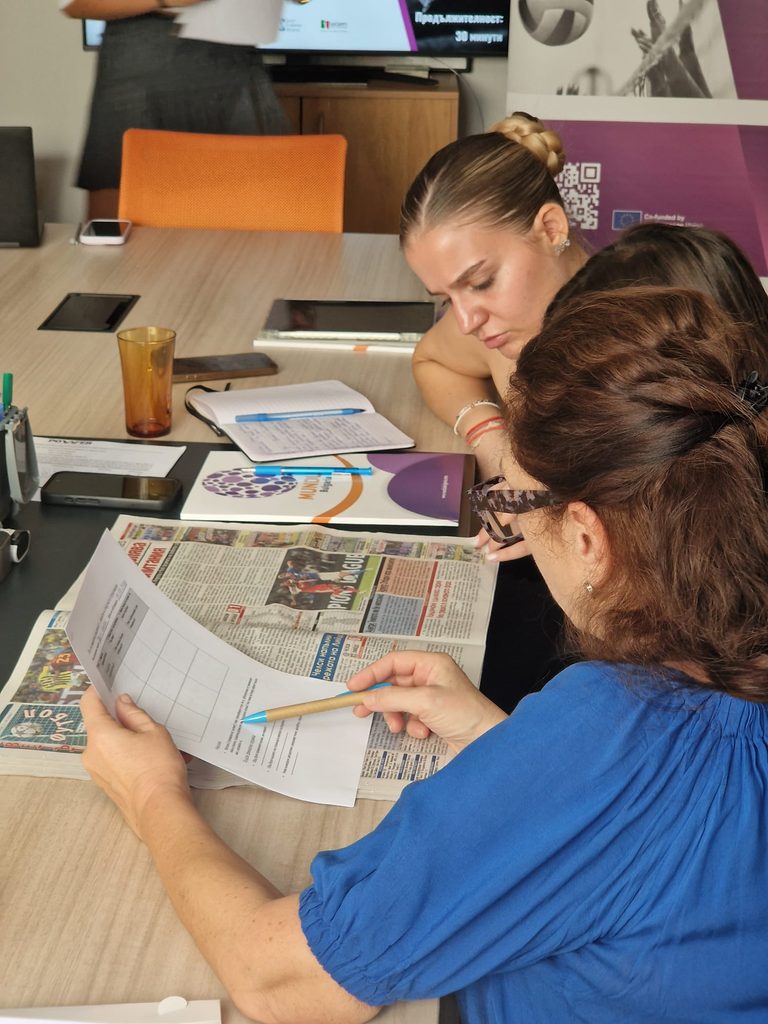
“During the training, a particularly interesting moment was when participants engaged with newspaper excerpts, carefully analysing the different ways male and female athletes are represented. The exercise stimulated discussion and helped participants recognise gender differences in sports narratives that can often go unnoticed. Overall, the training created a valuable space for reflection, discussion and exchange”, says Swami Miani from ISIDEM.
The following week, Mundus Bulgaria delivered their trainings.
“The training brought sports journalists, journalism students, female athletes and communication specialists from sports federations around one table to learn, discuss and work together towards a fairer representation of women athletes in the media. This kind of exchange is still quite rare in Bulgaria, so we were very happy to see participants openly share their different experiences and perspectives. Working with real-life examples and case studies from the Bulgarian sports media landscape demonstrated that there is still a lot to be done, but also that participants were genuinely motivated to be part of the change, despite the structural and societal obstacles along the way”, reflects Emily Kadir, project manager at Mundus Bulgaria.
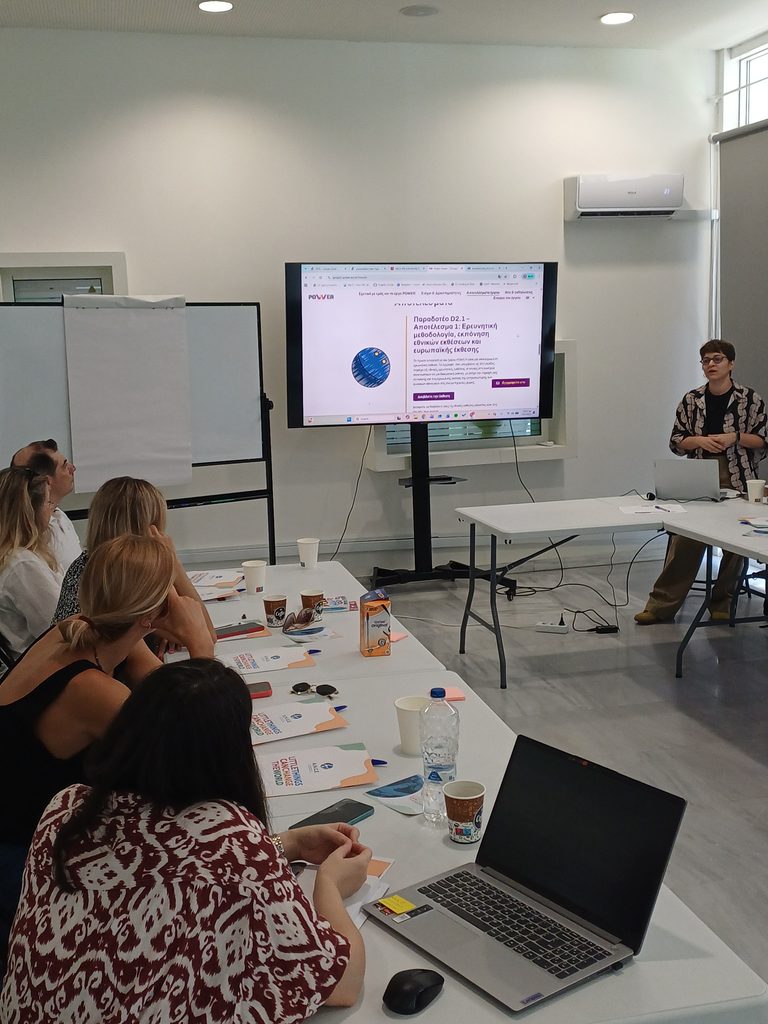
On the same week, ANCE also conducted their second training cycle, the first one being delivered in the summer.
ANCE’s project manager, Zeta Lazarou sums up her experience at the trainings, “The two cycles of the training proved to be very engaging and informative for both me and the participants. The first cycle took place in Athens, in situ, and the advantage of this format was the level of engagement in the hands-on exercises and the interactivity during them. It had participants ranging from journalists, students of coaching, and employees in Greek sports organizations. The second training was conducted online. In this format, the discussions proved to be even more fruitful, and the participants were knowledgeable and invested during the whole duration of the training. We had participants from the field of para-athletics, organisations for female empowerment and gender equality, as well as the Hellenic Olympic Committee.
“In both trainings, I, as a trainer, learned a lot regarding gender equality in sports, new developments, and bad practices, and also had the experience of engaging in an active dialogue with both early-entry-level professionals and people with a lot of experience in the world of sports. In both cycles, the exercises that stood out regarded Module 1 and Visibility, as well as Module 4 and the power of images in female representation. It was a real privilege for me to use this high-level training material to serve the project and the greater work that we do towards a fairer portrayal of women in sports.”
Sport Evolution Alliance and the Budapest Association for International Sports will deliver their national trainings later in the fall.